


Hovedkassen, Københavns Rådhus, København
Kampen mod københavnernes kønssygdomme. Undersøgelser af unge kvinders hud og kønsdele 1946-1961
During and after the occupation, Denmark saw a rise in the number of people infected with sexually transmitted diseases, particularly in Copenhagen.
In the post-war years, traditional pubs and restaurants with dancing welcomed many American soldiers and sailors every evening, and young Danish women took part in the nightlife, much to the outrage of elected representatives and public commentators. The casual relationships and acquaintances formed in Copenhagen’s nightlife were labelled “semi-prostitution”, and the women were referred to in derogatory terms such as “American girls”.
Leading doctors, politicians and the vice squad focused on sexually transmitted diseases, efforts to combat them and young people’s sexual behaviour. This was reflected in both political and medical debate, as well as in hospitals, where daily “skin patrols” were carried out. This took place at Balders Hospital in Nørrebro, among other places, which opened as a branch of Rudolph Berghs Hospital in 1946. The hospital specialised in sexually transmitted diseases and skin conditions – in practice, mostly the former.
In the lecture, historian Miriam Leander Petersen discusses the examinations at Balders Hospital, which have been studied as part of the project Den sunde hud: Kulturteoretiske udforskninger af menneskets synlige organ at Københavns Universitet.
Illustration: Poster issued by Dansk Forening til Kønssygdommenes Bekæmpelse, 1944. Illustration: Anton Hansen, Københavns Stadsarkiv. On the right: Balders Hospital, 1961. Photo: Mogens Falk-Sørensen, Stadsarkivets Fotografiske Atelier. Københavns Museum.
Tickets & times
Rådhuspladsen 1
1599 København
Map
Hovedkassen, Københavns Rådhus
Places to stay near Hovedkassen, Københavns Rådhus
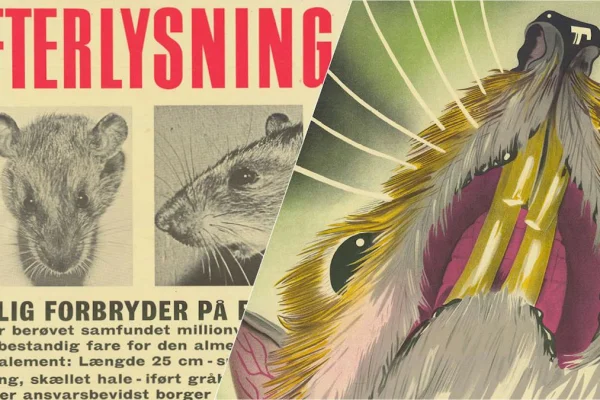
Rotten og byen – rottebekæmpelse, velfærd og hverdag i 1900-tallets København
Hovedkassen, Københavns Rådhus

Niall Horan: Dinner Party Live On Tour
Royal Arena
Distortion 2027
Distortion

The Minds of 99
Parken
COPENHELL 2027
Refshaleøen