


Universitetsbiblioteket i Fiolstræde, København K
Er det forkert at nægte at tilgive?
Forgiveness is often presented as magnanimous and as a way to move on after violence, abuse or betrayal. We can understand that someone may be unable to forgive. But what about someone who does not want to? Is it bitterness – or can there be good moral reasons to say no?
Thomas Brudholm – PhD in philosophy and associate professor at associate professor at Institut for Tværkulturelle og Regionale Studier at Københavns Universitet – argues that people who reject forgiveness have not necessarily fallen short morally. Anger can make clear that a wrong has been committed and that responsibility lies with the person who caused the harm. Refusing to forgive can also be about protecting oneself or preserving one’s self-respect.
In the research project ‘Eftertanker’, he and his fellow researchers connect philosophical questions with the experiences of victims and relatives in Denmark. One woman says that her anger reminds her who is responsible for the consequences of the violence against her husband. Another has maintained her relationship with her mother without forgiving her betrayal. What exactly do we do when we forgive – and what are we saying no to when we refuse? When might forgiveness be wrong? And why can it be so difficult to accept that another person does not want to forgive?
An evening at Universitetsbiblioteket i Fiolstræde, where we challenge the idea that forgiveness is the morally best outcome and explore what we can understand by listening to the reasons people give for not forgiving.
On stage
Thomas Brudholm, PhD in philosophy and associate professor at Institut for Tværkulturelle og Regionale Studier at Københavns Universitet. Most recently, he led the research project ‘Eftertanker’, in which researchers collaborated with practitioners from, among others, Offerrådgivningen and Dansk Kvindesamfunds Krisecentre. Author of ‘Resentments Virtue – Jean Amery and the Refusal to Forgive’ (Temple University Press 2008).
Thomas Brudholm will be interviewed by editor Mette Holbæk.
Programme for 29 October 2026 17.00 Doors open, and Universitetsbiblioteket offers a glass of wine or water, included in the ticket price. 17.30 Conversation on stage for approximately 45 minutes, followed by questions from the audience (with no interval). 19.00 Universitetsbiblioteket closes.
Also available as a podcast
This evening’s conversation will be recorded and released as a podcast the following week. You can find the full series on all podcast platforms by searching for ‘Verden forsøgt forklaret’.
Verden forsøgt forklaret is a series of conversations about what shapes our shared world
Each week’s guest offers research-based perspectives on themes from public debate – the things we talk about, vote on, disagree about and come together around. Learn more alongside some of the country’s leading researchers as they share their perspectives on current debates about issues that matter, from the intimate stage at the historic Universitetsbiblioteket i Fiolstræde.
The series is produced by Københavns Universitet with support from Novo Nordisk Fonden.
Tickets & times
Fiolstræde 1
1171 København K
Map
Universitetsbiblioteket i Fiolstræde
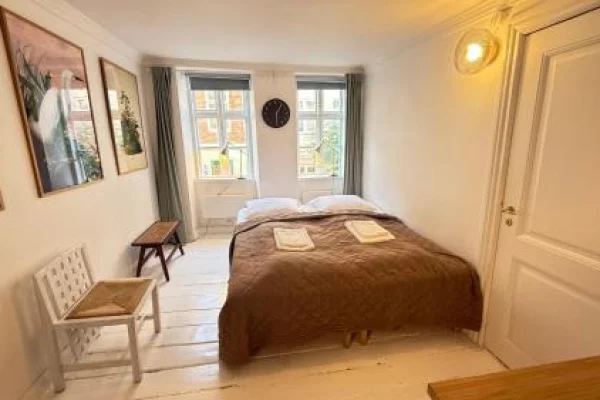
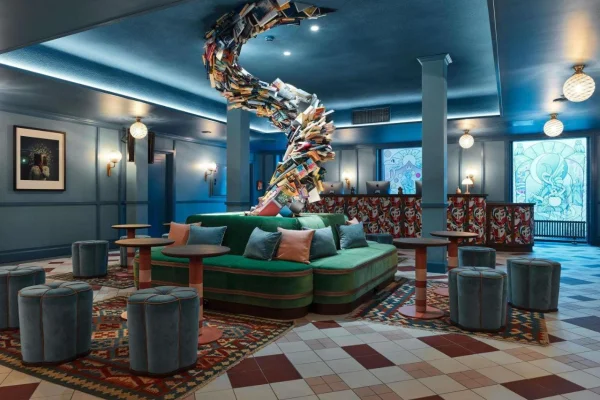
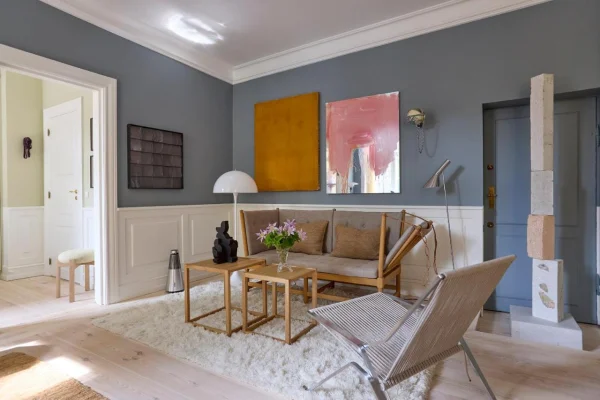
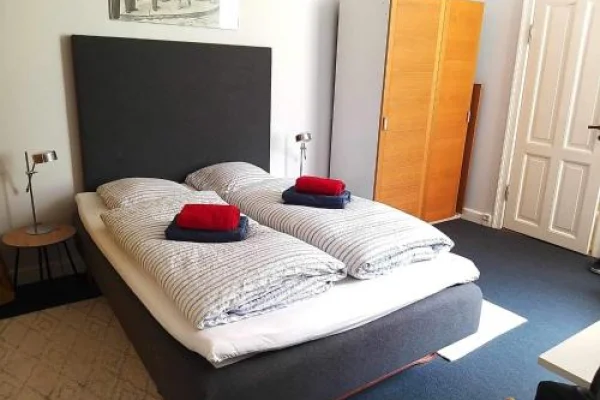
Places to stay near Universitetsbiblioteket i Fiolstræde



Når fiskerne synger: Sang og fortællinger fra livet ved den stormfulde vestkyst
Universitetsbiblioteket i Fiolstræde
Håb med Ina-Miriam Rosenbaum og lektor Marlene Ringgaard Lorensen
Universitetsbiblioteket i Fiolstræde
Vand med Ina-Miriam Rosenbaum og professor Nina Cedergreen
Universitetsbiblioteket i Fiolstræde
MINK med Ina-Miriam Rosenbaum og professor Michael Gøtze
Universitetsbiblioteket i Fiolstræde
Niall Horan: Dinner Party Live On Tour
Royal Arena
Distortion 2027
Distortion
The Minds of 99
Parken
COPENHELL 2027
Refshaleøen